Humans became bipedal about three million years ago, with significant brain development occurring afterward. Around 150,000 years ago, they began practicing cooking, and later, roughly 10,000 years ago, they transitioned to agriculture and a more settled lifestyle. Cooking transformed human nutrition by making food easier to digest, providing more energy, and freeing up time for other activities, which allowed humans to travel farther and thrive globally. By understanding what cooking did for human evolution, we can derive valuable insights and techniques for effective weight management today.
July 29, 2025
13.1 Weight Loss Techniques Based on Evolution
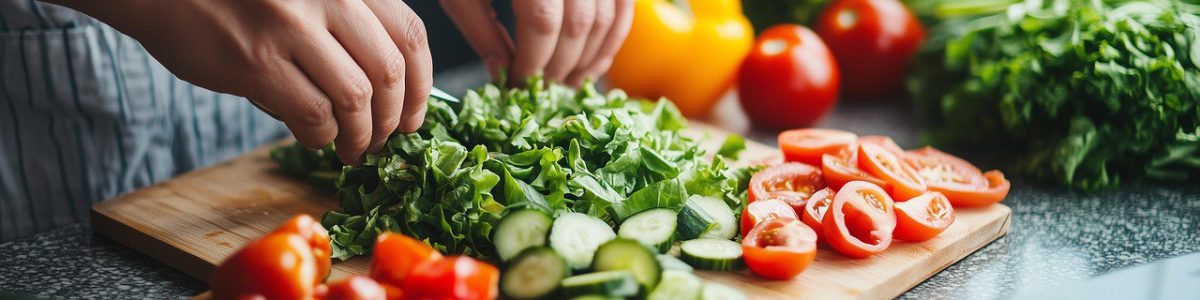
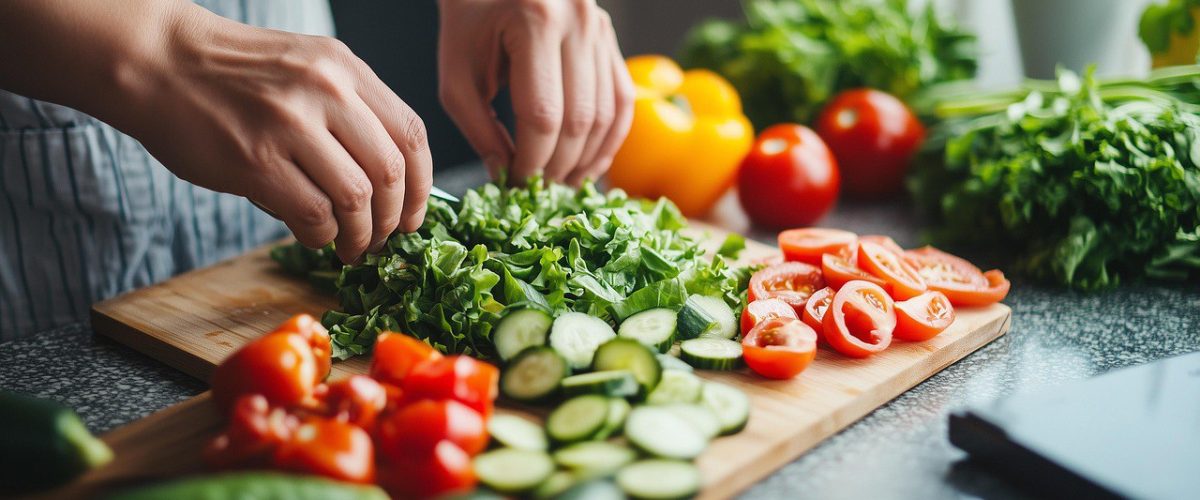
When food is cooked, its raw form changes, allowing it to disintegrate and be digested more easily. The energy used to break it down comes from fire rather than the body, making cooked food more energy-dense. For example, when celery is eaten raw, the body expends more energy to digest it compared to cooked celery. Although raw vegetables require more caloric energy to digest, the net energy remains positive—just lower—because some of the energy gained is spent on digestion itself. This means that consuming raw vegetable and fruit juices can help the body expend energy simply through digestion. Some foods even require such high energy for digestion that they have “negative calories,” meaning more energy is spent digesting them than they provide. This doesn’t mean they burn more calories but that their calorie content is low while digestion is energy-intensive.
Cooking also expanded dietary diversity. Some foods were unpalatable in their raw form, but cooking removed unpleasant flavors, allowing a wider variety of foods to be consumed. Grinding or juicing can achieve similar results without cooking—mixing otherwise tasteless vegetables with fruits can create a nutritious, lower-calorie blend since fruits contain natural sugars.
Concentration plays another key role. For instance, eating a foot-long piece of sugarcane requires effort and fills you up before you can consume much sugar. In contrast, processed sugar is concentrated, easy to eat, and low in volume, allowing overconsumption. The more concentrated and processed the food, the higher its energy density per gram—and the easier it is to gain weight. By choosing unprocessed foods, ideally in raw form, you consume less concentrated energy and naturally support weight control.
Given that food cravings involve both addiction and mental discipline, the ideas above may be more challenging to implement for managing weight loss. In a future article, I will address the psychological aspects of food and how to manage cravings effectively.
Here’s a simple shake recipe that incorporates these principles:
Blueberries: ½ cup
Cucumber: 1 cup
Watermelon: 1 cup
Celery: ¼ cup
Ginger: ½ thumb-sized piece
Blend all ingredients with 8 oz of water until very smooth. Pour into a glass, add ice cubes, and enjoy this refreshing drink to beat the summer heat.