How do actors get into the emotional roles they portray? We can learn a great deal by studying their techniques. Minding your thoughts is essentially like playing the role of who you want to become, especially if you’re trying to break bad habits or addictions. If you’re determined and disciplined enough to follow through, understanding the psychological tools behind this process can be invaluable. Moreover, the cognitive science supporting these techniques offers a fascinating and comprehensive view of how mindfully shaping our thoughts can lead to better health and a more fulfilling life. So, let’s dive into that.
July 17, 2025
11.1 Acting Your Way to Mental Discipline
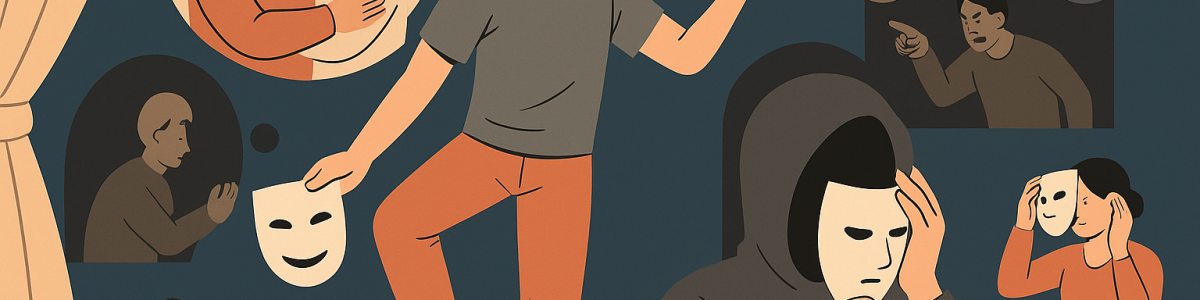
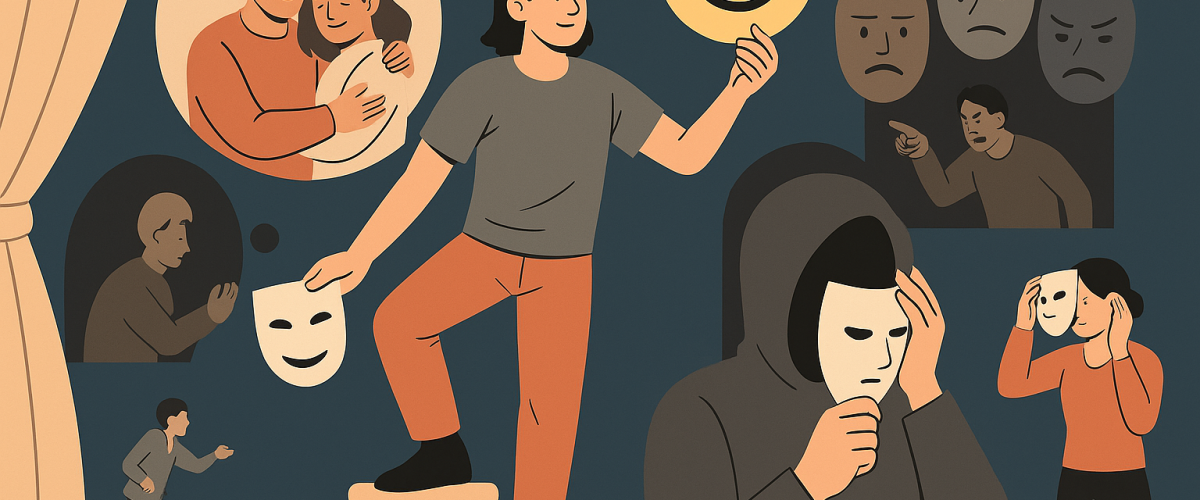
Acting once relied on melodrama, with exaggerated physical and facial expressions and overt emotional display. However, innovations in the psychology of acting have transformed performances, captivating audiences with realism. This shift occurred as actors realized that instead of portraying exaggerated gestures often perceived as overacting, they could draw upon genuine emotions from their own past experiences through a technique known as emotional memory. Rather than merely performing, actors immerse themselves in memories of real incidents to recreate authentic emotions. For instance, you might feel anger by recalling a moment that upset you, or experience liberation by remembering a time you forgave someone. This approach, called method acting or inside-out acting, was pioneered by Konstantin Stanislavski and later taught by Lee Strasberg, Michael Chekhov, and Uta Hagen, influencing many renowned Hollywood actors. It’s like an actor playing James Bond channeling a personal injustice to fuel his intensity. You can do this too by invoking past positive emotions and applying them to present challenges. It takes discipline, but aligning will with method is an effective way to mind your thoughts.
The second psychological tool actors use is Theory of Mind, a concept that refers to understanding another person’s state of mind or empathy. Research shows that by exploring what a new character feels, how they act, express themselves, and what they believe, actors can portray their roles far more realistically. This process requires empathy, i.e., understanding others’ emotions and perspectives. In our case, if we wish to overcome a weakness such as compulsive shopping, we can try embodying a character who dislikes shopping. Imagine their discomfort when they can’t find what they like, the frustration of endless searching, or the confusion caused by too many product options and online labels. By listing and visualizing these scenarios, you begin to internalize the mindset of this new character, reducing your instinctive urge to shop. The same approach can be applied to other cravings or negative emotions by acting out a character who rejects them. Treat it as a fun exercise, gradually strengthening your “acting muscles” and reshaping your habits.
11.1 “Enhancing Empathy and Theory of Mind”, by Thalia Goldstein and Ellen Winner, J. of Cog & Dev., 13, 19-37, 2012
Suppression of self-identity is another technique actors use to fully immerse themselves in a role. The present moment becomes the new role, while the past self represents one’s former identity. By temporarily letting go of self-identity and focusing on the present, actors can truly forget themselves. Mindfulness practice supports this process by enhancing awareness and connection to the current environment—the essence of the role being enacted. It’s important to understand the difference between internal state awareness and self-reflection; this practice aims to strengthen the former while reducing the latter. Why relate this to controlling bad habits? Because these techniques mirror how we manage our thoughts and sense of self. They’re suggested for anyone seeking self-understanding and better control over addictive or unproductive behaviors. Self-improvement demands discipline and mental awareness. While medical intervention may still be necessary, developing your own understanding of how to manage habits is equally vital. Moreover, research shows that practicing acting techniques can increase empathy and reduce psychological distress, as excessive self-focus and mental rigidity often lead to emotional imbalance.
11.2 “The Benefits of Being Present: Mindfulness and Its Role in Psychological Well-Being” Kirk Warren Brown and Richard M. Ryan, Journal of Personality and Social Psychology, 2003, Vol. 84, No. 4, pp 822–848.
11.3 “Private Self-Consciousness and the Five-Factor Model of Personality: Distinguishing Rumination From Reflection”, Paul D. Trapnell and Jennifer D. Campbell, Journal of Personality and Social Psychology, 1999, Vol. 76, No. 2, ppp. 284- 304