Social connectivity turns out to be such an important determinant of health that I wanted to spend time researching it. The previous blog addressed what to do when you cannot get out of bed—but what about the rest of us who can? I recently watched an insightful documentary on Netflix titled Join or Die, which explores Robert Putnam’s research on social capital and its importance to both the economy and democracy. However, here we’ll examine it from a health perspective, which is our focus. Putnam’s book Bowling Alone highlights how participation in special interest groups and clubs influences both community health and individual social capital. Let’s discuss some of these subtle but significant points.
November 4, 2024
8.1 Alzheimer's, Social Connectivity, Be a Joiner
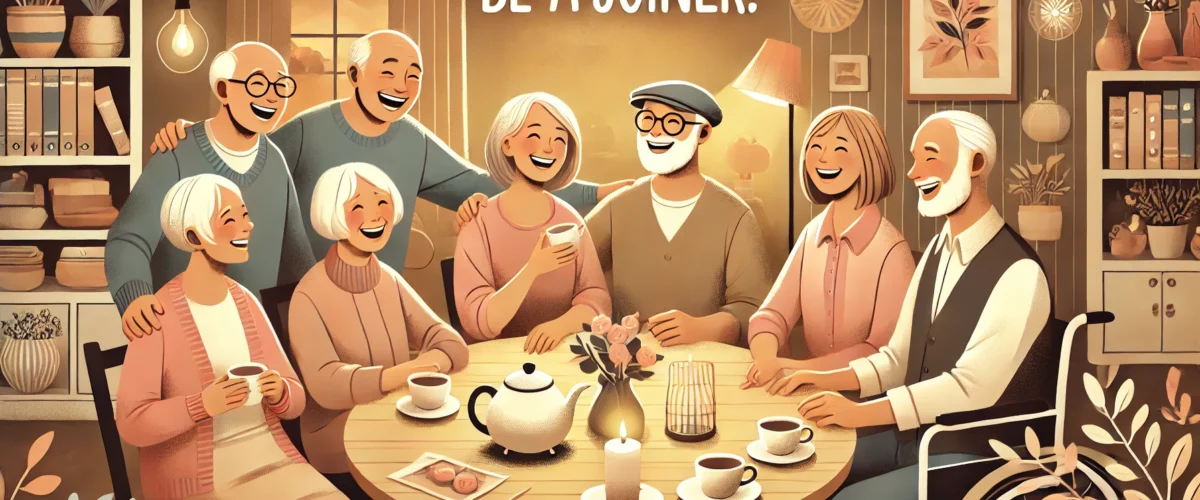
We attend many parties each week, but whether they truly promote well-being depends on how meaningfully we connect with people in those settings. Women often have diverse interests and tend to connect more easily, while men, including myself, sometimes find it more challenging. I’m not particularly interested in politics, sports, or news, so I often struggle to engage in typical conversations. However, knowing your own interests, being open to helping others, and maintaining a harmonious attitude during social interactions can significantly influence longevity, according to recent research.
Social connections also include our immediate family. In America, family bonds tend to be weaker while friendships often take priority, but it’s equally important to strengthen personal family connections. We sometimes forget that we’re already given a built-in social structure called family—whether that’s parents, siblings, spouses, children, or grandchildren. This is where our foundational social bonds are formed early in life, so keeping these relationships healthy and supportive is the essential first step. Use the same strategies you apply to make time with friends enjoyable, and extend them to your family relationships as well.