October 31, 2024
7.1 Alzheimer’s, Social Connectivity and Online Multiplayer Gaming

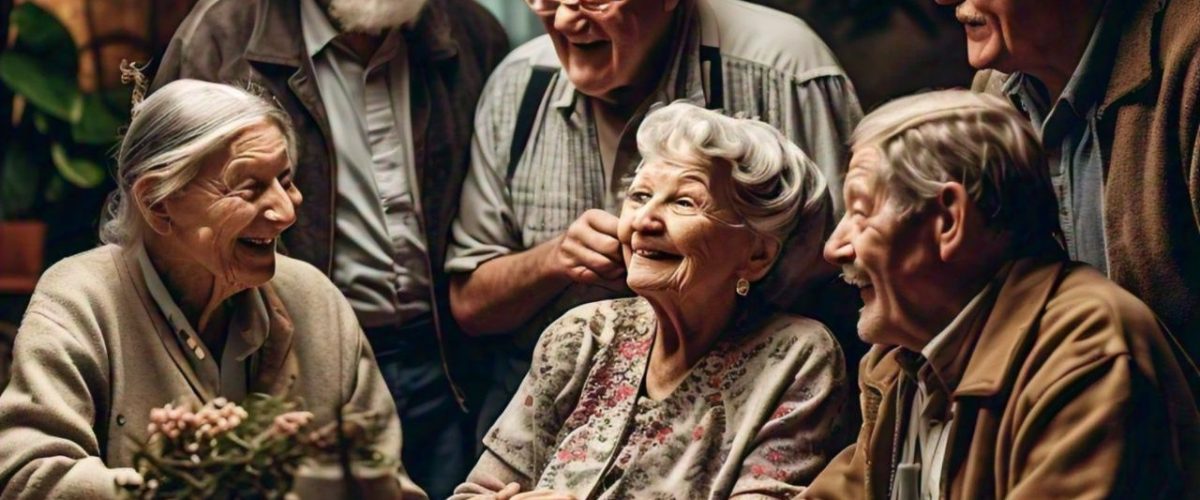
The feeling of caring, lasting relationships, and belonging are fundamental social needs. I recently came across a remarkable documentary on Netflix titled “The Remarkable Life of Ibelin.” Many of us think video games are only about shooting, violence, or something meant for children—that’s how they appeared to us in video parlors when we were growing up. But this documentary completely changed that perception. World of Warcraft is a multiplayer game built around social interaction and community among players.
Just like in the real world, you can interact with players in different roles and ways, forming genuine friendships. You can have an avatar that feels different—more meaningful, less fearful, and even more true to yourself. But just like in real life, you can also experience social well-being through the game—or, conversely, create social isolation, ill-being, and loneliness. This doesn’t depend on how many hours you play, but on how you play. If you are harmonious and empathetic in the game, your character fosters social well-being. However, if you are rigid and aggressive, the game won’t contribute to positive social experiences.
How remarkable is that!
But here are the implications. You are bedridden and sick. Why does that make you sad? Because you’re not feeling useful or socially connected, it seems you don’t matter to anyone. Life goes on. Rather than being sad in bed, why not connect virtually and be who you want to be in the digital world? Your illness doesn’t define you there. You can still live a productive life by meeting people and helping them in whatever ways you can through virtual relationships. Can you achieve that by passively watching TV? Yet that’s exactly what patients are often encouraged to do—whether in hospitals or at home.
Yes, maybe you can read a book, listen to music, but that is complete isolation; the only connection is between the author and you. Again, there is no real contribution by you. Given your limitations, you can still be productive in the virtual world or The World of Warcraft, where real people are interacting in avatars; they don’t know you are sick or bedridden. Imagine the people in old age homes, nursing homes, hospice care, single spouses with mobility challenges, depression and anxiety sufferers, and kids with autism or social phobias. Given that an idle mind is a devil’s workshop, why not make it busy with massively multiplayer online role-playing games (MMORPG) when you truly cannot get up?. Wouldn’t this benefit Alzheimer’s and dementia patients? Research proves that.